
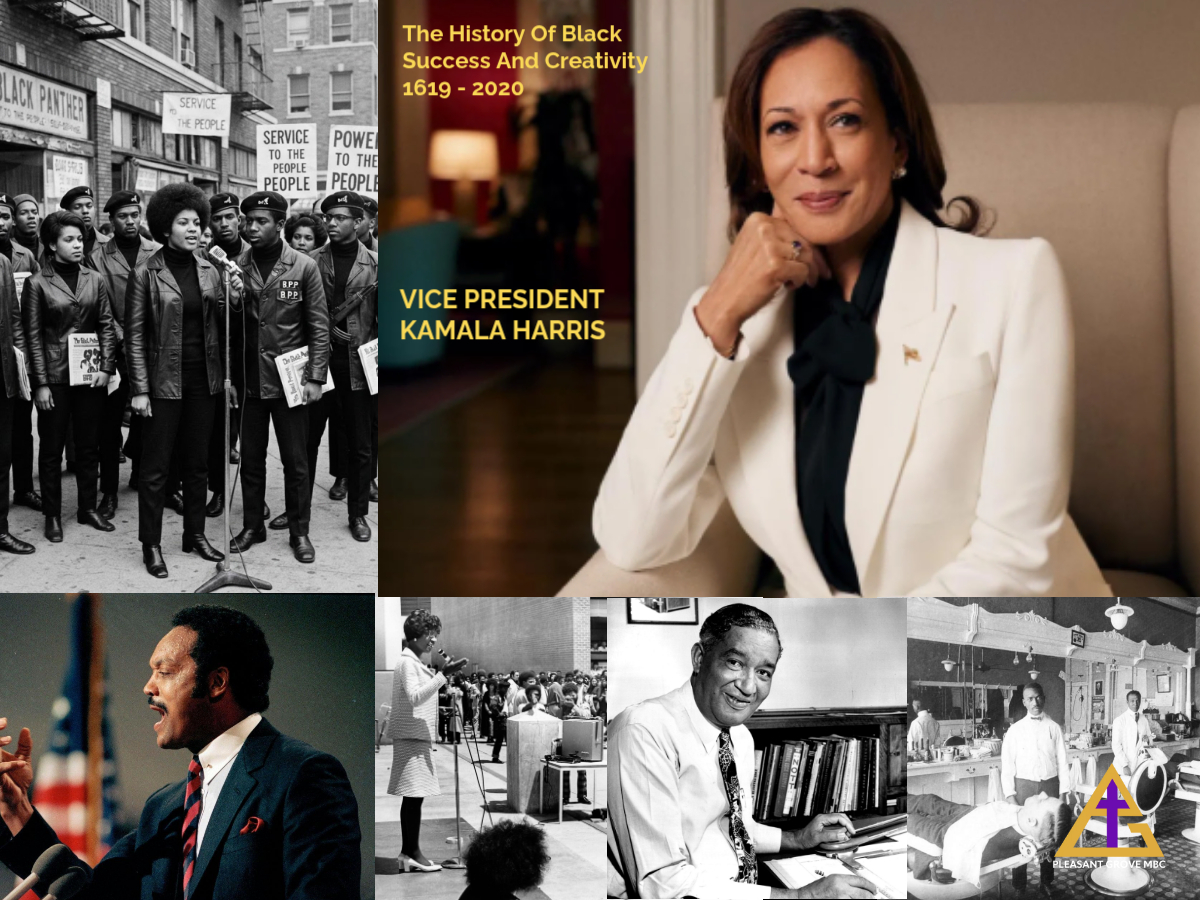
The History of Black Success & Creativity: 1619–2020
November Edition | Black History, Leadership, Courage & Innovation
From the struggle for equality to groundbreaking achievements in politics, education, civil rights, and innovation, Black history is a powerful story of resilience, determination, and creativity.
Every generation has produced men and women who refused to accept the limitations placed upon them. They challenged injustice, opened doors of opportunity, developed inventions that changed everyday life, and inspired future generations to dream beyond what seemed possible.
In this November edition of The History of Black Success & Creativity: 1619–2020, we celebrate historic achievements, courageous leadership, and the enduring contributions of Black Americans.
Our featured trailblazers include Kamala Harris, the Black Panther Party founders, Shirley Chisholm, the families who fought for school integration in Boston, the Reverend Jesse Jackson, and pioneering Black inventors.
Breaking Barriers: The Historic Journey of Kamala Harris
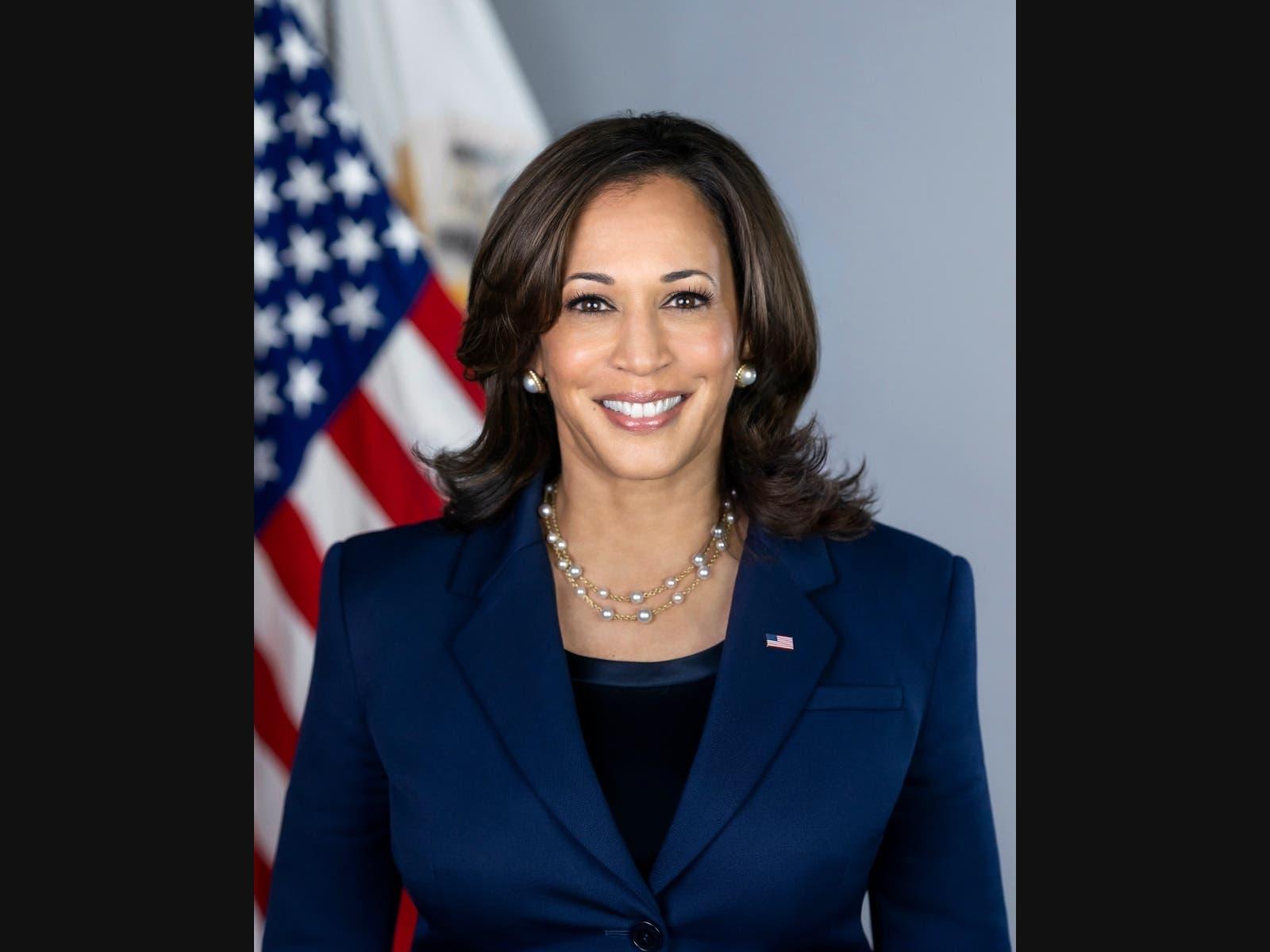
Featured leader: Kamala D. Harris, 49th Vice President of the United States (2021–2025).
History is often made by individuals who refuse to allow the circumstances of their birth, background, or identity to determine how far they can go. Kamala Devi Harris represents one of those remarkable journeys.
Born on October 20, 1964, in Oakland, California, Harris grew up surrounded by the values of education, public service, and social justice. Her mother, Shyamala Gopalan, immigrated from India and became a respected breast cancer researcher. Her father, Donald Harris, was born in Jamaica and became an economics professor at Stanford University.
Following her parents’ divorce, Harris and her younger sister, Maya, were raised primarily by their mother. Harris also spent part of her teenage years living in Montreal, Canada.
Education: Building a Foundation for Leadership
Harris attended the historically Black Howard University in Washington, D.C., graduating in 1986. She later earned her law degree from the University of California, Hastings College of the Law, in 1989.
Her educational journey helped prepare her for a career in law, public service, and national leadership.
From the Courtroom to the White House
Harris began her legal career as a deputy district attorney in Alameda County, California. She later served in the San Francisco District Attorney’s Office before being elected San Francisco District Attorney in 2003 and winning reelection in 2007.
Her career continued to break barriers:
-
2011–2017: Served as California Attorney General, becoming the first woman, first Black person, and first South Asian American to hold that office.
-
2017–2021: Represented California in the United States Senate.
-
2021–2025: Served as Vice President under President Joe Biden, becoming the first woman, first Black American, and first South Asian American to hold the nation’s second-highest office.
As Vice President, Harris also set the record for the most tie-breaking votes cast by a U.S. vice president.
After seeking the 2020 Democratic presidential nomination, Harris joined Biden’s successful presidential ticket. In 2024, following Biden’s withdrawal from the election, she became the Democratic presidential nominee alongside Minnesota Governor Tim Walz. Although the ticket lost to Donald Trump, her nomination marked another historic milestone.
Harris married attorney Doug Emhoff in 2014 and became stepmother to his children, Cole and Ella. In September 2025, she published 107 Days, a memoir about her 2024 presidential campaign.
Her legacy reminds us that representation matters. Every barrier broken creates a new possibility for the next generation of leaders.
October 15, 1966: The Black Panther Party and the Power of Community
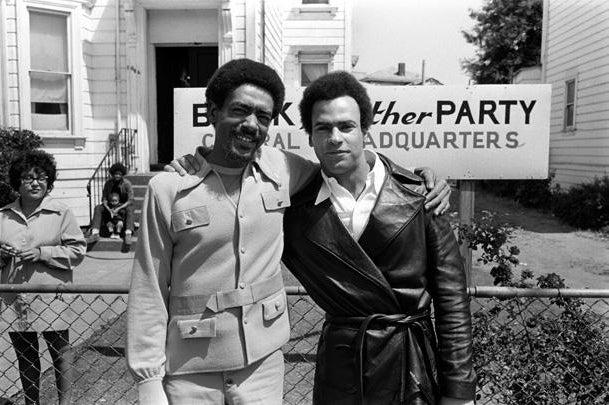
In Oakland, California, two Merritt College students, Huey P. Newton and Bobby Seale, founded the Black Panther Party for Self-Defense in October 1966.
Their organization emerged in response to police brutality, racial inequality, and the economic challenges facing African American communities.
The Panthers initially organized armed patrols to observe police conduct, asserting what they understood to be their legal rights. Their political philosophy also emphasized ending economic exploitation and securing housing, employment, education, and justice.
While the organization became known for its confrontations with law enforcement and was targeted by the FBI, its community service programs were equally significant.
The Black Panther Party established free breakfast programs for children, community health clinics, educational initiatives, and other services intended to support underserved neighborhoods.
These efforts demonstrated an important principle: Community empowerment requires more than demanding change; it also requires organizing to meet people’s needs.
The Panthers’ history remains complex, but their contributions to community organizing and grassroots service continue to influence conversations about social justice.
1972: Shirley Chisholm — Unbought and Unbossed
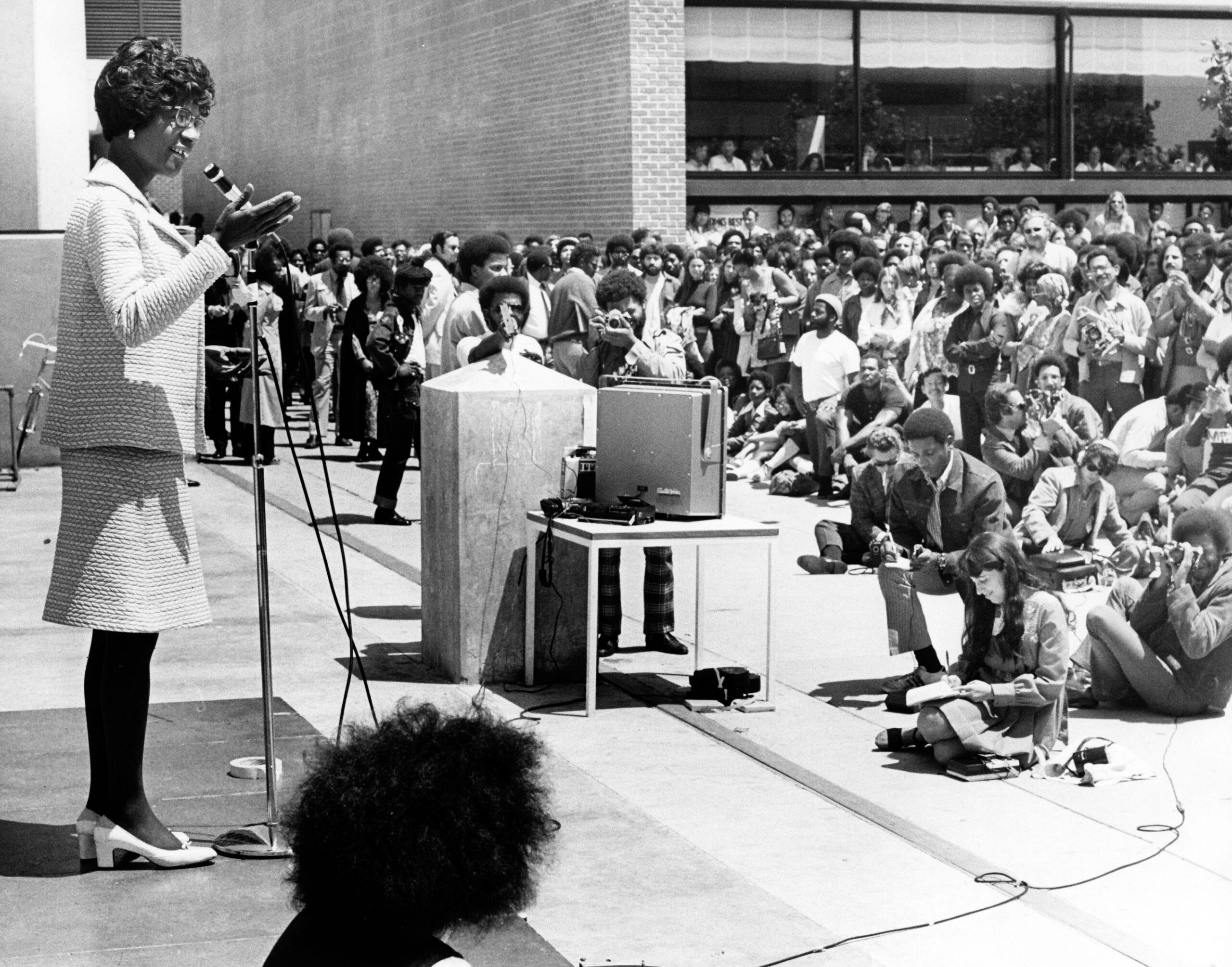
Long before Kamala Harris reached the vice presidency, another courageous Black woman challenged America’s political establishment.
Her name was Shirley Chisholm.
In 1968, Chisholm became the first Black woman elected to the United States Congress. Four years later, she became the first Black woman to seek a major political party’s presidential nomination.
Her campaign slogan, “Unbought and Unbossed,” captured her independence and refusal to surrender her principles.
Chisholm confronted racial discrimination, sexism, and limited political resources while advocating for working families, educational opportunity, and equal representation.
Her campaign did not win the Democratic nomination, which went to George McGovern in 1972. However, her historic candidacy challenged the country to reconsider who could aspire to the presidency.
Chisholm’s influence extended far beyond one election. Her determination helped lay the groundwork for generations of women and people of color seeking political leadership.
Historical note: Chisholm’s presidential campaign took place in 1972, not June 8, 1973.
September 12, 1974: Boston School Desegregation and the Fight for Educational Equality
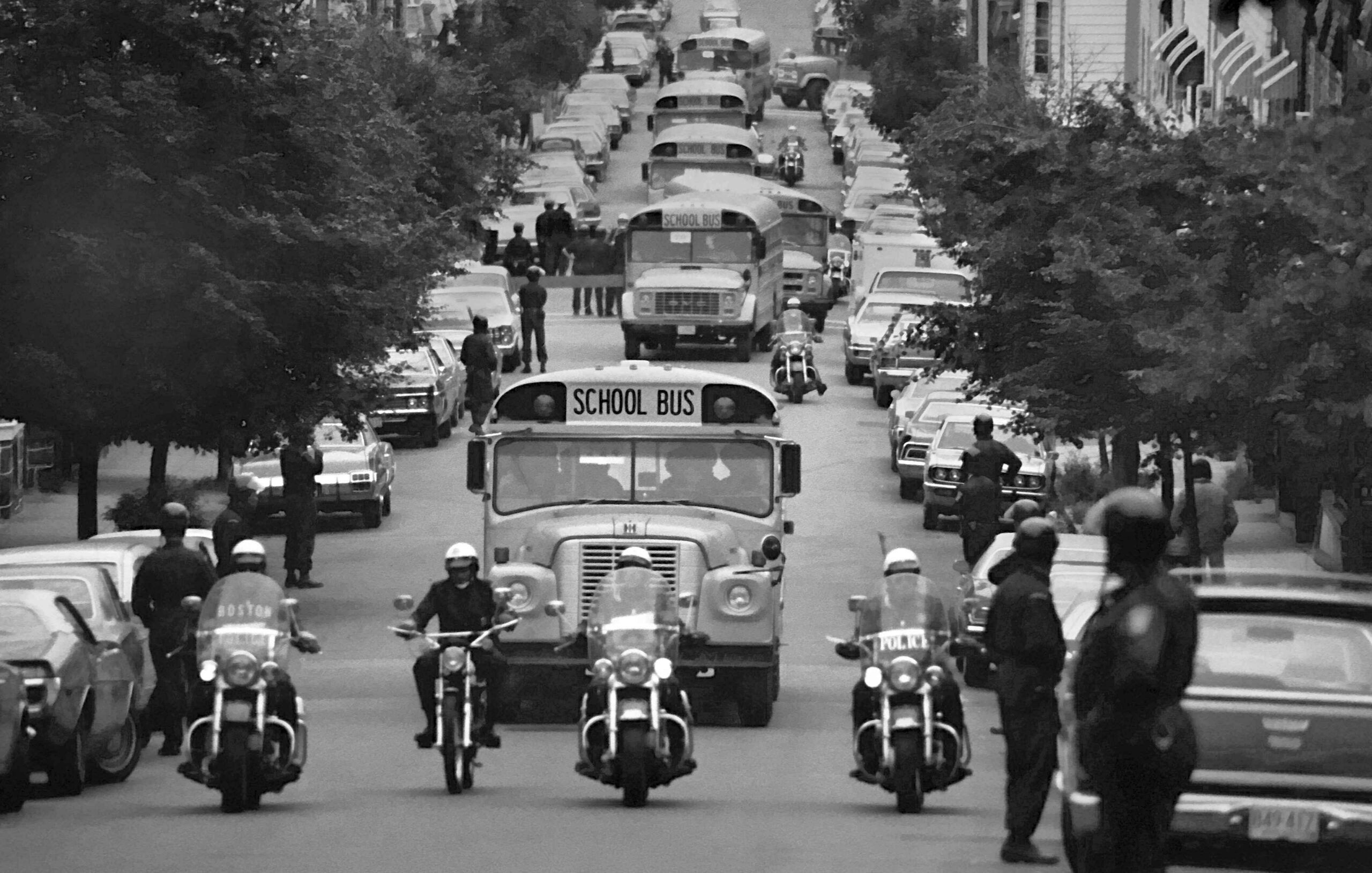
Education has long been one of the most important battlegrounds in the struggle for civil rights.
On September 12, 1974, Boston implemented a court-ordered school desegregation plan after a federal judge found that city school officials had deliberately maintained segregation.
The plan involved transporting students between neighborhoods to create more racially integrated schools.
For many Black families, desegregation represented the promise of greater educational opportunity. Yet the effort faced fierce resistance.
Angry crowds protested the changes, and Black students traveling by school bus encountered harassment, threats, and, at times, violence.
Despite the hostility, Black children and their families demonstrated extraordinary courage by continuing to pursue the education they deserved.
The controversy also accelerated changes in Boston’s neighborhoods and schools, including the departure of some white families to suburban communities.
The Boston desegregation struggle reminds us that educational equality is not achieved simply by passing laws or issuing court orders. It also requires communities to confront prejudice and defend every child’s right to learn in safety.
July 17, 1984: Reverend Jesse Jackson and the Rainbow Coalition
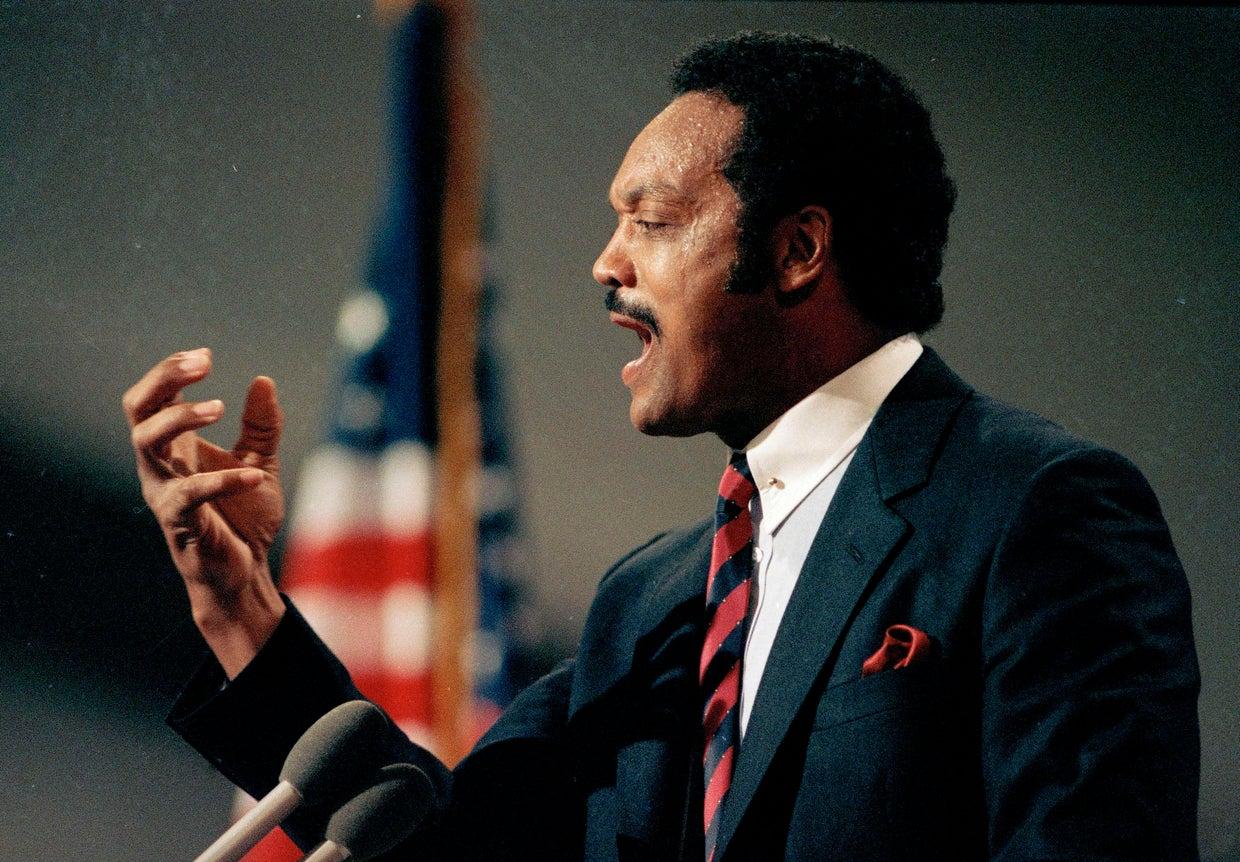
At the 1984 Democratic National Convention in San Francisco, the Reverend Jesse Jackson delivered a memorable speech calling for unity across racial, economic, and social divisions.
Jackson’s vision of a Rainbow Coalition encouraged Americans from different backgrounds to recognize their shared interests and work together toward justice and opportunity.
His presidential campaign helped expand the political influence of Black voters and demonstrated the potential of a broad, multiracial movement.
Jackson won two Democratic primary contests in 1984 before Walter Mondale secured the nomination.
Although Jackson did not become president, his campaigns in 1984 and 1988 played an important role in reshaping American political participation.
His message continues to offer a lesson: Lasting progress is possible when people recognize their common humanity and work together.
Black American Inventions: Celebrating Innovation and Ingenuity
Black American history is not only a story of overcoming obstacles. It is also a story of creativity, problem-solving, scientific discovery, and technological advancement.
Throughout American history, Black inventors have contributed to industries ranging from agriculture and transportation to personal care and refrigeration.
Self-Setting Animal Trap — 1881
William S. Campbell received a patent for a self-setting animal trap on August 30, 1881. Its mechanism allowed the trap to reset after activation. His patent is documented, although his identification as a Black inventor has not been independently verified.
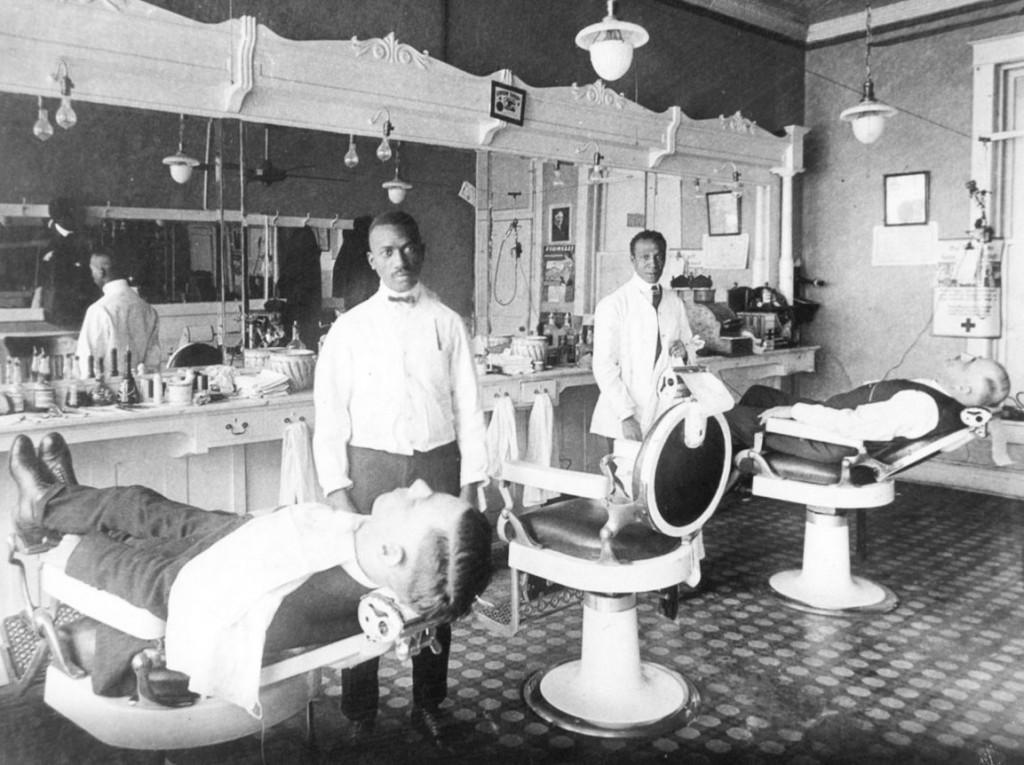
Shampoo Headrest — 1898
C. O. Bailiff is credited in the supplied historical list with a shampoo headrest, an innovation associated with greater comfort during hair washing. The inventor’s identity and patent attribution still require verification.
Spark Plug — 1839 (Attribution Unverified)
Edmond Berger is sometimes credited with an early spark plug concept. However, the commonly repeated 1839 claim lacks reliable supporting patent documentation. The development of practical spark plugs involved multiple inventors.
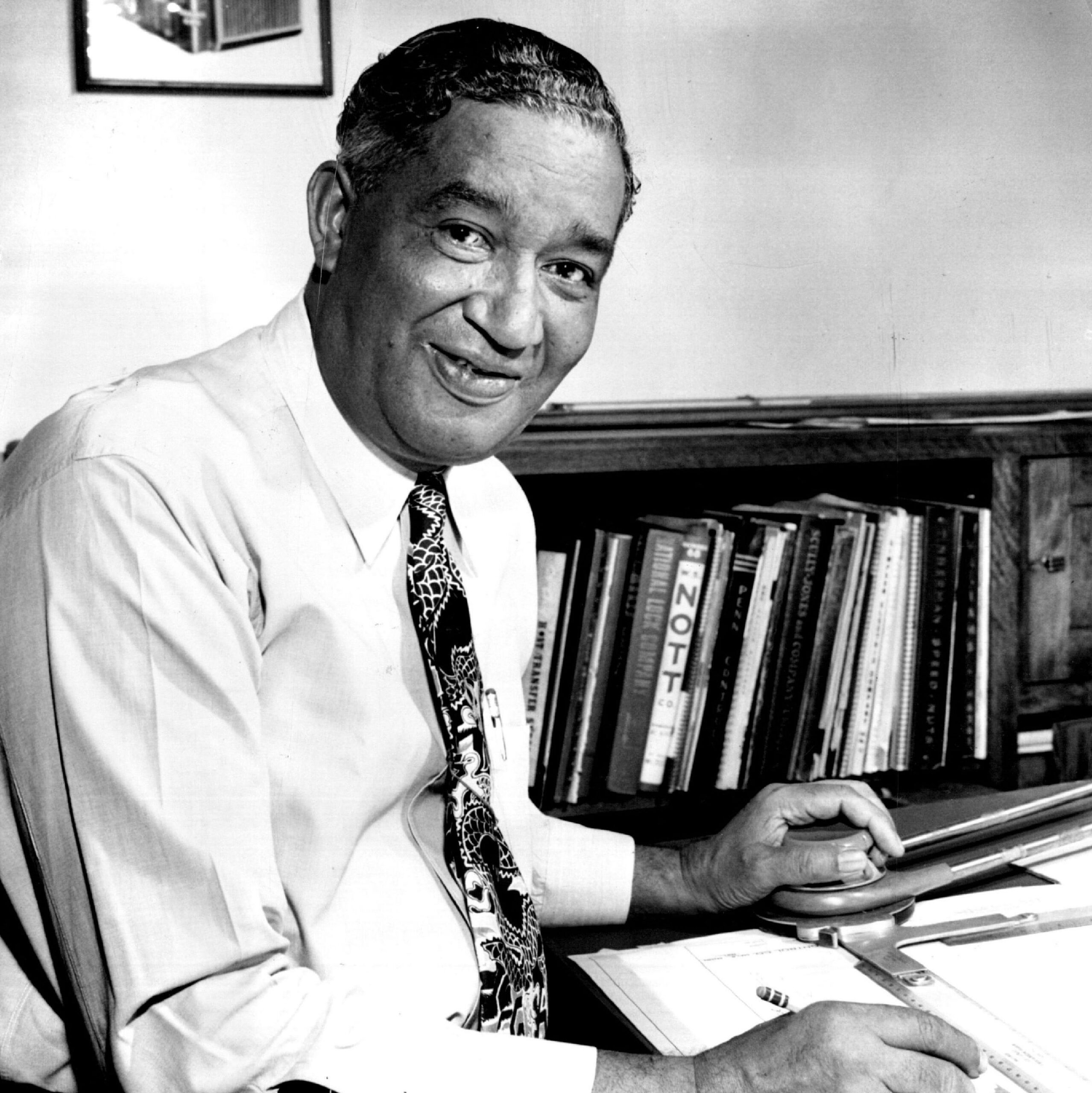
Starter Generator — 1949 (Attribution Needs Verification)
Frederick McKinley Jones was an influential Black inventor whose electrical and refrigeration innovations helped transform transportation. The specific 1949 starter-generator attribution requires additional patent verification.
These stories encourage us to investigate, document, and celebrate the achievements of innovators whose contributions may have been overlooked.
They also remind us of the importance of preserving historical records so future generations can understand the true scope of Black ingenuity.
Why Black History Matters Every Month
The achievements highlighted in this November edition share a powerful connection.
Kamala Harris broke barriers in national leadership. Shirley Chisholm challenged political expectations. Huey Newton and Bobby Seale organized communities to confront injustice. Black families in Boston demonstrated courage in their pursuit of educational equality. Jesse Jackson promoted coalition-building and broader political participation. Inventors and engineers contributed ideas that helped shape modern life.
These achievements were not isolated moments. They were part of a continuing journey toward opportunity, representation, dignity, and progress.
Black history deserves to be taught, preserved, and celebrated throughout the year because it is an essential part of American history.
A Challenge to the Next Generation
As we reflect on the sacrifices and achievements of those who came before us, we should ask ourselves:
What barriers can we help remove? What opportunities can we create for our children? What knowledge can we preserve? And what contributions will future generations remember about us?
History is more than what happened yesterday. It is the foundation upon which we build tomorrow.
May these stories inspire us to pursue education, support our communities, embrace innovation, and continue the work of creating a better future for all.
Join the Conversation
Which Black historical leader, inventor, or civil rights milestone has inspired you the most? Share their story with family and friends, and help keep Black history alive for the next generation.
Research by: Sis. Betty Bell
Written by: Carlfred Giles